Chanel · Eau de Parfum
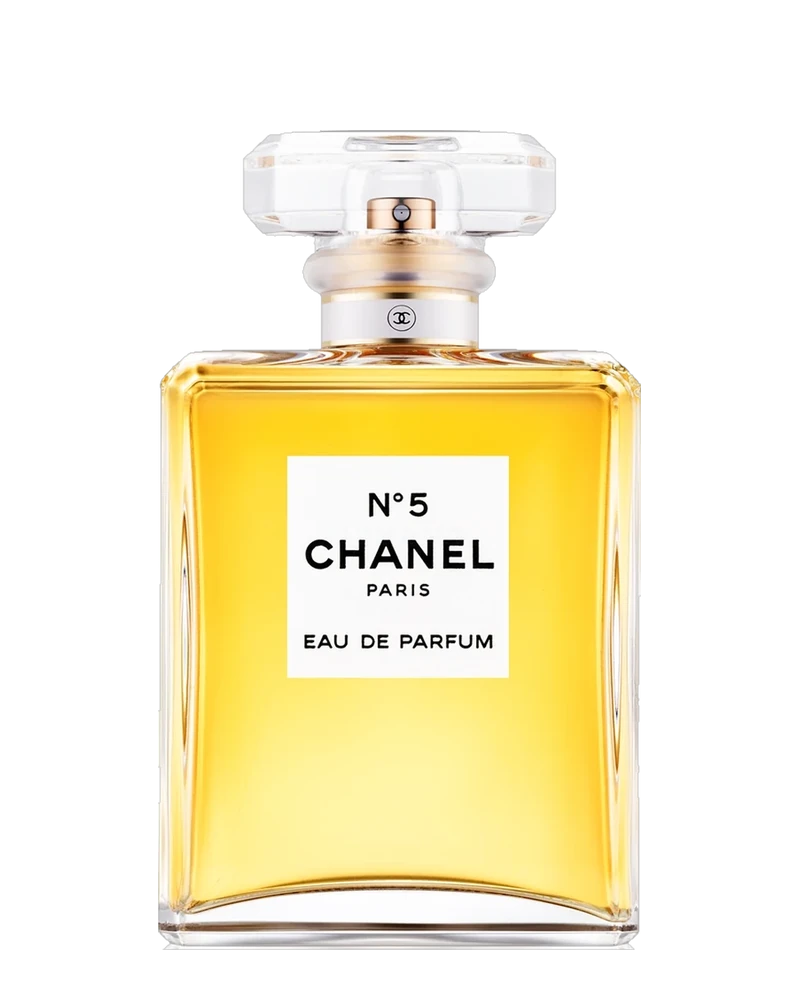
Chanel N°5 Eau de Parfum
An aldehydic floral built around rose and jasmine, with citrus brightness and a vanilla finish. This profile covers N°5 Eau de Parfum.
- Brand
- Chanel
- Concentration
- Eau de Parfum
- Year
- 1986
- Perfumer
- Jacques Polge
- Audience
- Women
- Collection
- Designer
See verified offers
01 — Composition
Olfactory pyramid
Read the pyramid from top to bottom: what you notice on application, the heart that settles afterwards and the base that stays on the skin.
Olfactory pyramid from Fragrantica, a third-party database. The brand does not publish a three-tier pyramid for this fragrance.
-
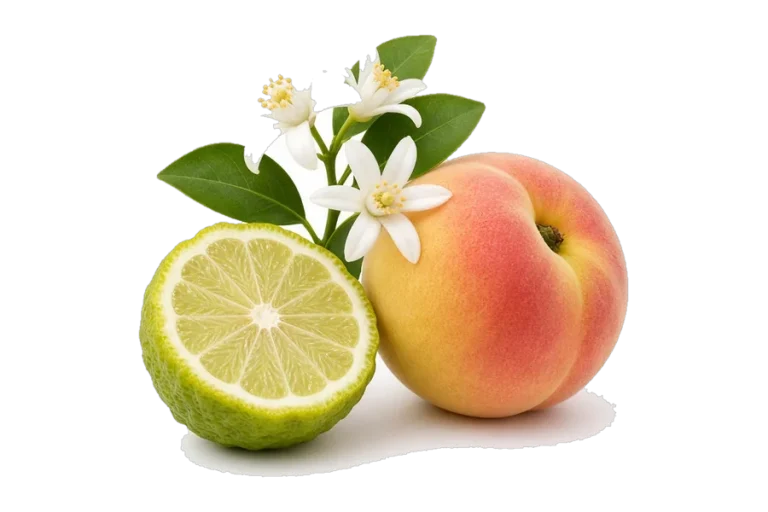
Top
Aldehydes, ylang-ylang, neroli, bergamot, peach
What you notice on application -
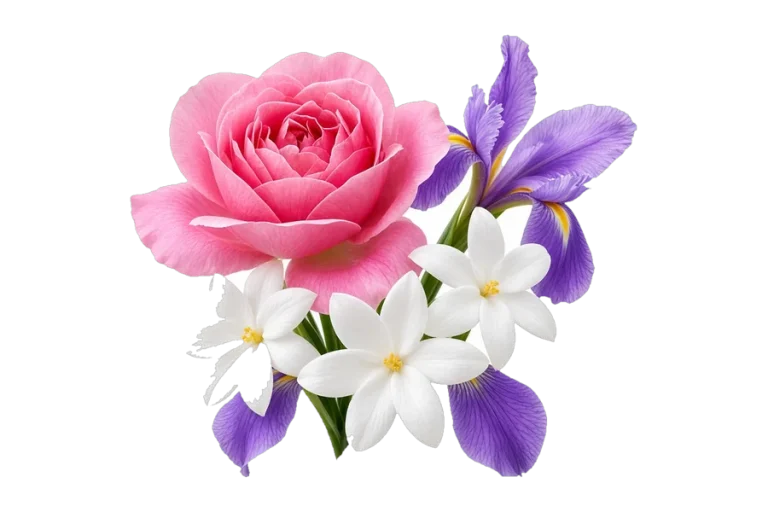
Heart
Iris, jasmine, rose, lily of the valley
The heart that settles afterwards -
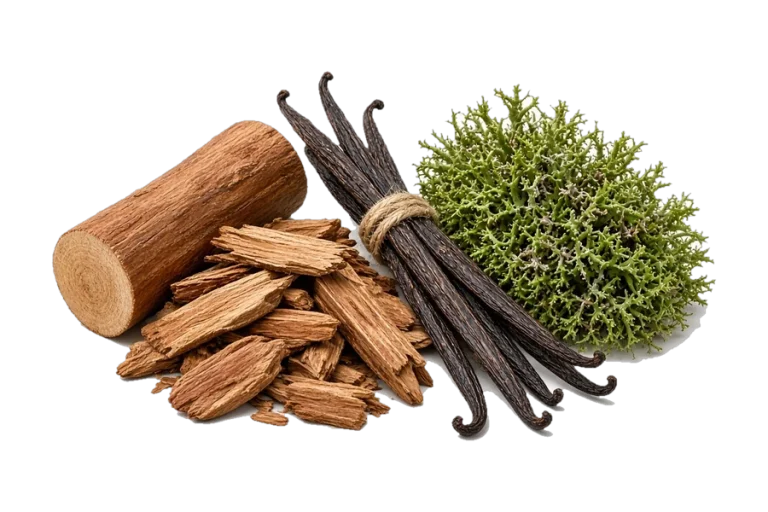
Base
Sandalwood, oakmoss, vanilla, patchouli, vetiver
What stays on the skin
02 — Performance
The SCENTIVOIRE verdict
-
8.2Longevity/10
-
7.9Projection/10
-
—VersatilityPending assessment
Community data · Parfumo · 417 votes · November 3, 2026
03 — Review
Chanel N°5 Eau de Parfum is the 1986 Eau de Parfum interpretation of Chanel’s aldehydic floral: rose and jasmine woven into one abstract bouquet, lifted by aldehydes and citrus and settled on a warm vanilla-sandalwood base. It is a composed, unmistakable classic rather than a literal flower scent.
Chanel N°5 Eau de Parfum at a glance
- Fragrance style: woody-powdery aldehydic floral, built around rose and jasmine.
- Best for: formal occasions, evenings and a personal everyday signature for lovers of abstract florals.
- Recommended seasons: autumn, winter and spring.
- Character: composed, polished and instantly recognisable.
What does Chanel N°5 Eau de Parfum smell like?
Aldehydes are what people recognise first, and what makes N°5 difficult to mistake for anything else: a cool, faintly soapy, almost metallic lift that sits above the citrus rather than blending into it. Bergamot and neroli brighten the opening and a touch of peach softens its edge, but the aldehydes remain the signature.
The flowers arrive as one woven impression rather than as separate blooms — rose and jasmine at the centre, held together by ylang-ylang and lily of the valley, with iris lending a powdery dryness. It smells composed, in the literal sense: no single material is allowed to step forward.
The base is where the Eau de Parfum shows its warmth. Vanilla and sandalwood gather beneath the flowers as they fade, while oakmoss, patchouli and vetiver keep the sweetness in check and give the finish a dry edge. That move from the bright, abstract opening to the warm dry-down is the part worth attention on skin, because it is where the concentrations of N°5 differ most.
This is our reading of the composition as documented below, not a wear test: how it behaves on your skin, and for how long, is something only sampling will tell you.
Where these notes come from
Chanel presents N°5 Eau de Parfum as an aldehydic floral and dates this interpretation to 1986, but the official product page does not set out a staged top–heart–base pyramid. The pyramid shown above is taken from Fragrantica, a third-party database, which also credits Jacques Polge with this Eau de Parfum. We keep the two apart rather than presenting a database reading as the house’s own wording.
The N°5 of 1921 is Ernest Beaux’s composition and a separate product. Its date and its authorship belong to that perfume, not to the Eau de Parfum described here.
Choosing the right version
Choose by concentration: the Eau de Parfum, Eau de Toilette and L’Eau are different interpretations. A memory of one bottle does not identify how another version will smell.
Performance and projection
The longevity and projection scores on this profile are Parfumo community ratings for this exact concentration, checked on 3 November 2026 — not a SCENTIVOIRE skin test. Parfumo publishes no versatility score, so we show none. Your skin, dose and climate will change the result.
Longevity
Parfumo members rate longevity 8.2/10 (417 ratings). N°5 has a long-standing reputation for persistence, and a reputation is not a measurement. If you test it, note how much you applied and when the floral heart gives way to the woody-vanilla base.
Projection
Parfumo members rate sillage 7.9/10 (407 ratings). Aldehydes are highly volatile materials, which is why the opening of an aldehydic floral tends to read as its most expansive phase. That is a property of the materials, not a distance we have measured, and it tells you nothing about how the perfume sits an hour later. Check it in the room where you expect to wear it.
Versatility
Parfumo publishes no versatility score, so this profile shows none rather than an estimate. The occasion tags on this profile describe where a composed floral of this type is usually proposed, not a result verified on skin. A perfume this recognisable also carries associations of its own, which is part of the decision.
Best seasons to wear it
- Autumn: the vanilla-sandalwood base gives the aldehydic florals warmth and depth.
- Winter: a natural fit for indoor and evening wear in cold weather.
- Spring: the bright citrus-aldehyde opening and floral heart feel at home in mild weather.
- Summer: test a light application first; a dense classic floral can feel heavy in strong heat.
These are editorial selection suggestions, not seasonal scores.
Who is it for?
Choose N°5 Eau de Parfum if you enjoy composed, abstract florals with a powdery aldehydic signature and a warm finish. Avoid blind-buying it if you prefer fresh aquatics, fruity sweetness or gourmand accords: the aldehydic character is divisive, which is exactly why a sample matters.
Explore our selection of designer fragrances or compare your preferences with the Perfume Finder.
04 — Where to buy
Offers
Prices and availability are compared through verified international retailers.
Chanel N°5 Eau de Parfum
Affiliate links may earn us a commission at no extra cost to you. Prices and availability can change. The order never depends on commission.
Prices checked on 3 Nov 2026SCENTIVOIRE verdict
N°5 Eau de Parfum is worth exploring for its particular floral identity, not merely its reputation. Its strength is cohesion: no single note steps forward, and the warm base gives the famous aldehydic opening a softer, more wearable landing than many expect.
Offers on this profile come only from affiliate retailers linked through CJ and are never ranked by commission. Affiliate links may earn SCENTIVOIRE a commission at no extra cost to you.
Sources and methodology
- Chanel · official product description
- Fragrantica · note pyramid and perfumer credit
- The Fragrance Shop UK · price and availability (affiliate partner)
- Notino Spain · price and availability (affiliate partner)
- Notino Portugal · price and availability (affiliate partner)
- Parfumo · community ratings for longevity and sillage (checked 3 November 2026)
Pyramid sources checked in September 2026; retailer prices and availability checked on 3 November 2026. Concentration, launch year and product identity are attributed to Chanel. The top–heart–base pyramid and the perfumer credit come from Fragrantica, a third-party database, not from the house. The description of the scent is our editorial reading of that documented composition. Occasions and seasonal guidance are editorial interpretations; no SCENTIVOIRE skin test has been carried out, and the performance circles are community data, not our own test: longevity and projection are Parfumo community ratings out of 10 (417 longevity and 407 sillage ratings); Parfumo publishes no versatility score, so none is shown. Listed notes describe the olfactory composition, not proof of natural ingredients in the formula.